Gluten Sensitivity

Gluten Sensitivity
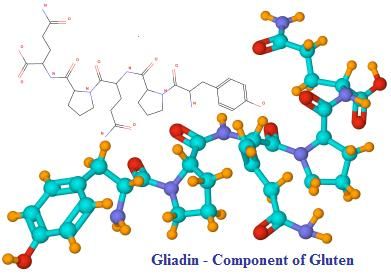
Gluten is a form of protein.
Although you probably have seen the word in the news, you may not know that gluten is the protein found in many grains, including wheat, rye, barley and oats, although there is some controversy about the gluten in oats. There is no doubt that, at least in the Western diet, these are some of the most common grains found in our food supply.
Symptoms of Gluten Sensitivity
The symptoms of sensitivity to gluten can vary, but can include abdominal pain or cramping, diarrhea, weight loss, bone pain, anemia, weakness, bloating or bulky, floating stools. In other words, if you have gluten sensitivity eating gluten can make you pretty miserable. In addition, if you have untreated celiac disease, you are at a greater risk of developing gastrointestinal cancer or lymphoma. However, once the disease is treated and the intestines heal, your chances of getting these kinds of cancers goes back to normal.
What to do if you think you have gluten sensitivity
Click here for a printable copy of this list.
If you are concerned about sensitivity to gluten, here are some tips to help you:
1. See your physician for a blood test and diagnosis to see if you actually have Celiac Disease.
2. Educate yourself about foods that contain gluten and start reading labels and learning the hidden sources of gluten. (See list below.)
3. Check out the “Gluten-Free” section at your grocery store and become familiar with food manufacturers whose products are reliably gluten-free.
4. Find some online sources for gluten-free products that you can investigate.
5. Look for some gluten-free recipe ideas that will teach you how to make foods that would normally have gluten, such as bread and other baked products.
6. Try some of the listed grains that do not have gluten, both in whole and flour form.
7. Visit the websites of your favorite restaurants to discover the ingredients in the foods they serve, or ask to speak to someone at the restaurant who will accurately inform you about how the foods are prepared.
8. Include an abundance of fresh, unprocessed foods in your diet such as vegetables, fruits, seeds, nuts, lean meats, plain yogurt, and healthy fats.
9. If you are recovering from prolonged symptoms of gluten sensitivity, you may want to take a vitamin/mineral supplement, at least until your health improves, to help offset the deficiency caused by the disease.
10. If you need help choosing foods, speak with a dietitian and join a support group either in person or online at websites such as www.celiac.com.
Gluten sensitivity can appear at any age
Celiac Disease can occur at any time in your life and may run in families. There is also some research that suggests it can be triggered by stress, both physical and emotional. If it goes untreated, children with this disorder tend to be small for their age and undernourished.
If you think you have Celiac Disease, you should see your doctor who can perform a blood test to check for high levels of certain antibodies that would indicate that your immune system is having an abnormal response to the presence of gluten in your system. Be sure to eat gluten foods before the test or the results may not reflect the true state of your sensitivity.
Not as simple as it sounds
Even though there is no real cure for Celiac Disease, this severe gluten sensitivity can be treated by eliminating gluten from your diet. If you avoid eating foods that contain gluten, your intestinal lining will heal up, and the symptoms should disappear. However, at least in the Western world, avoiding gluten is easier said than done.
Here is a chart that shows the most common grains that have gluten and those that are gluten-free.
Grains that contain gluten Gluten-free grains Barley Amaranth Kamut Buckwheat Oats* Corn Rye Millet Spelt Quinoa Triticale Rice (including Wild Rice) Wheat (Bulgur, Couscous, Farina, Graham) Tef
This chart shows the obvious sources of gluten that you will need to avoid if you are sensitive. However, there are many products that may contain gluten by another name. Many packaged soups, some cheeses and cheese spreads, ketchup, candies, soy sauce, salad dressings, lunch meats, frozen dinners and even non-dairy creamers may be hidden sources of gluten.
Caveat: Any of these grains and flours can be contaminated with gluten, if they are processed in the same facility or with the same equipment as wheat or other grains containing gluten. You will need to check labels for an advisory statement about possible gluten contamination. As an added precaution, you can contact the food company to make sure that their products are truly gluten-free.
Read the label
In addition to anything that says "gluten" or “wheat,” look for these words on the ingredient list of food labels, as they may indicate the presence of gluten:
-Textured Vegetable Protein
-Vegetable Gum
-Vegetable Protein
-White vinegar
-Food dyes (Red or Yellow)
-Hydrolyzed Vegetable Protein (HVP)
-Malt , Malt Syrup, or Malt Flavoring
-Modified Starch or Modified Food Starch
-Monoglycerides and Diglycerides
-Natural Flavors or Artificial Flavors
This is just a partial list. A more complete list is available at www.celiac.com.

Gluten-free Foods
Even though it will take some diligence to keep the gluten out of your diet, there are a lot of gluten free foods that you can include in your diet. These include the following:
Fruits (fresh - check label for frozen and canned)
Vegetables (fresh - check label with frozen and canned)
Eggs
Fresh meat, fish and poultry (not processed or in a can)
Milk
Most plain yogurt (check the label)
Vegetable oils
Butter
Gluten free grains and products made from them
Nuts and nut butters
Seeds
Legumes (unprocessed lentils, beans, lentils)
Popcorn (pop it yourself to avoid additives)

If you have gluten sensitivity, keep in mind that the very best way to insure that your diet is gluten free is to eat fresh, unprocessed foods that you prepare yourself using ingredients and products that you know for sure do not contain gluten.
Click here to go from Gluten Sensitivity page to Healthy Grains page.
Most Recent Articles
-
Healthy Eating Information
Jun 13, 23 08:40 PM
 Healthy eating information to help you make food choices that will improve your chances to live long and feel well.
 -
Healthy Eating Habits
May 22, 23 12:20 PM
 A list of healthy eating habits that will help you live longer and feel better while you're here.
 -
Fasting to Lose Weight
May 08, 23 10:32 AM
A discussion of fasting to lose weight in all its various forms.