Eating Healthy on a Budget
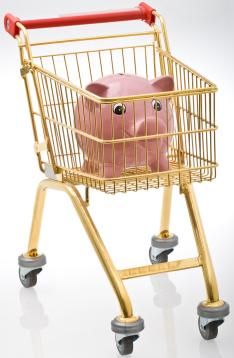

Eating Healthy on a Budget - Eating healthy will SAVE money!
One of the most common excuses you will hear for a poor diet is that, “I just can’t afford to eat healthy!” Although there are people living in poverty for whom this may be true, unless you are one of them, you can’t afford NOT to eat healthy!
Think of the cost of medical care for sickness and disease—including tests, doctor visits and medications. It is astronomical! On the other hand, a little careful planning with your food budget can go a long way toward keeping you well.
In addition, if you eat healthy you will feel better and be more productive. This means you are more likely to succeed at your job and to advance in your career, because you will have the energy and wellness to do a good job and you will miss fewer days being sick. Of course, if you are more successful in your job, you will have more disposable income to spend on healthy foods!
Here are some ideas to help you with eating healthy on a budget. Even if you can't implement all of them, just making a few changes can help stretch your food dollars.
Eating Healthy on a Budget - Buying your food
-Figure out how much you can afford to spend on food each month.
-Make a list before you go shopping, based on your menu plans and the store circular showing what’s on sale. Avoiding expensive impulse items that will run up your grocery bill is easier if you don't shop when you are hungry.
-Clip coupons, but only for healthy foods! Even if you have a coupon, you are not saving money if you buy an overly processed item that will not add to your family’s good health.
-Pay attention to “use by” and “sell by” dates when you purchase perishable foods. Look for the further away dates, if you don’t plan to use the product right away.
-Skip or limit empty calories, such as sugary snacks, soft drinks, candy, chips and doughnuts in favor of foods that make the best use of your food dollars, such as fruits, vegetables, lean meats, whole grains, legumes and dairy products. Shop mostly on the perimeter of the grocery store where the healthy foods are kept and where you won’t be tempted by colorful packaging.
-Shop at local Farmers’ Markets or join a local CSA or SHARE program. Buy fresh foods in season to get the best price. Enjoy the foods while they are available and buy some extra to freeze for later use.
Eating Healthy on a Budget - Choosing your food
-Drink water instead of soda, juice, flavored water or other expensive beverages. Keep a glass (or stainless steel) bottle of filtered water in your refrigerator or at your desk to quench your thirst.
-If you like to drink coffee or tea, brew your own instead of spending your food budget on fast food versions.
-Limit meat consumption in favor of less expensive foods, such as beans, lentils, rice and frozen vegetables. Nuts and seeds are also a good, nutrient dense alternative, but use them sparingly, since they can be expensive.
-Look at portion sizes and learn to eat serving sizes that are appropriate for your lifestyle and age. In addition to helping your budget, this will also help you to maintain a healthy weight.
Eating Healthy on a Budget - Eating your food out
-Limit eating out to special occasions. You can buy a lot of food at the grocery store or market for the cost of one restaurant meal. If you do eat out, take the extra food home for a meal the next day.
-Take your lunch to work instead of buying food each day. It only takes a few minutes to pack a healthy lunch, and the cost of eating lunch out can add up quickly.
-Drive right by the fast food drive-thru window. At worst, fast food is loaded with fat and simple carbs to make you overweight and unhealthy, and even salads have chemicals and preservatives to keep them looking fresh longer. Although the latest “deal” may seem like a bargain, there is no doubt that fast food will put you on the fast track to poor health!
Eating Healthy on a Budget - Preparing and storing your food
-Store the foods you buy carefully, to avoid waste. Don’t wash fruits and vegetables until you are ready to use them, and dry them thoroughly if you will be storing them. Plan to use more perishable items first, and freeze items that you know you won’t be using in time.
-Baking may be turning into a lost art, but you can still make better and less-expensive breads, muffins and other baked products yourself than the prepackaged versions in the store.
-On the weekend, when you have more time, prepare larger meals and freeze the extra for those days when you don’t have time to cook and are tempted by less healthy and more expensive fast food or convenience food.
-Take one week each month to use up food that you already have in the house. Be creative, making soups, hashes, casseroles and other dishes from the odds and ends of food in your refrigerator and cupboard. Vegetables that are a little past it (limp but not spoiled) can be use to make soup or stock instead of being thrown away.

-Try preparing one meatless meal a week. Using foods such as rice, beans and vegetables in your menu plan can save money and improve your health.
Click here for some healthy vegetarian recipe ideas.
Eating Healthy on a Budget - Growing your food
-Plant a garden and grow some of your own food. Even a porch or patio garden with tomatoes and herbs can help your food budget as well as the taste and nutrition of your meals. Freeze any excess produce to enjoy in the winter months.
Knowing more about your food can help.
Educate yourself about which foods are good for you and how many servings you need each day to be healthy. Don’t be taken in by flashy food labels that make health-related promises for a price. Become a savvy consumer who is not easily manipulated by fads and advertising gambits.
Finally, keep it simple. The best diet is generally made up of an uncomplicated combination of whole foods, such as fruits, vegetables, whole grains, legumes with a small amount of lean protein foods, dairy products and healthy fats.
Click here for a healthy eating plan.
Click here to go from Eating Healthy on a Budget page to Grocery shopping page.
Most Recent Articles
-
Healthy Eating Information
Jun 13, 23 08:40 PM
 Healthy eating information to help you make food choices that will improve your chances to live long and feel well.
 -
Healthy Eating Habits
May 22, 23 12:20 PM
 A list of healthy eating habits that will help you live longer and feel better while you're here.
 -
Fasting to Lose Weight
May 08, 23 10:32 AM
A discussion of fasting to lose weight in all its various forms.