Healthy Eating Grains
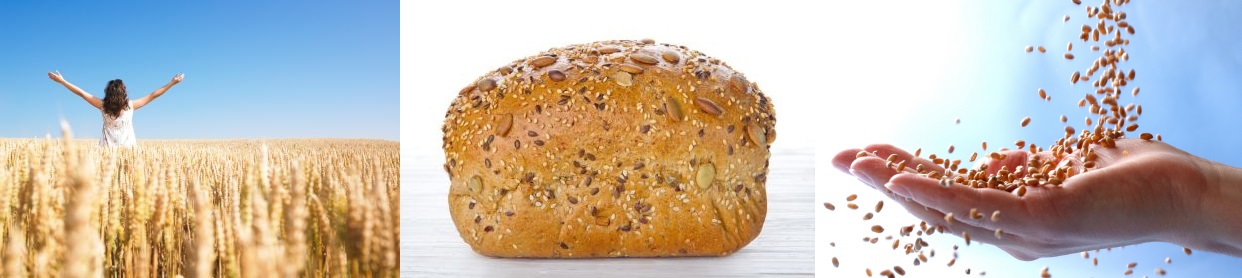
Healthy Eating Grains
Grain-based diet
Most food experts would say that the western diet is a "grain-based" diet, since we rely heavily on grains and their by-products in the foods we eat. While this is true with regard to wheat, corn, and possibly oats, there are several, less popular grains that can form part of a healthy diet.
Hold the gluten, please.
Although grains can be an excellent source of a number of nutrients, including Protein, Carbohydrates, Vitamins and Minerals, as well as a good source of fiber, there seem to be a growing number of people who are sensitive to certain grains. They may have an inherited disorder called "Celiac Disease," which causes inflammation of the intestines, mal-absorption and general digestive discomfort for the sufferer.
The specific grains that cause the problem in Celiac Disease, contain a protein substance called "gluten," which wreaks havoc on the digestive system of those who are sensitive to it. Since gluten is what gives most breads and many baked products their structure, it is difficult, although not impossible, to make bread with gluten-free grains. Some recipes use tapioca flour and arrowroot flour to overcome this problem. A whole business has sprung up around the need for gluten-free products.
|
Grains that have gluten: Barley Kamut Oats* Rye Spelt Triticale Wheat** |
Gluten-free grains: Amaranth Buckwheat Corn Millet Quinoa Rice (including wild rice) Tef |
*Oats are in a special category, as there is some question about their effect on gluten sensitive people.
**Wheat includes Bulgur, Couscous, Farina and Graham.
Caveat for Healthy Eating Grains: Vegetarians who are gluten-sensitive should be aware that gluten and gluten products are commonly used in meat analogs and other meat replacement products, so read labels carefully before you buy.
Varieties of Healthy Eating Grains
Here is a list of some of the healthy eating grains that can form part of a your diet:
Amaranth – a nutritious gluten-free grain that was popular with the Aztecs in Central America; good source of the amino acid lysine, which is not usually found in grains; good source of fiber, along with some minerals and vitamins; mild and easy to digest compared to wheat.
Interesting Fact about Healthy Eating Grains: One account of why amaranth, in spite of its obvious nutritional benefits, is not more widely consumed is that the Spanish conquistadors associated it with the pagan practices of the Aztecs, and as a result, they would not consider cultivating amaranth or adding it to their diet and its use did not become widespread.
-Amaranth recipe ideas: Cook whole amaranth in water in a ratio of one cup grain to 2 1/2 cups water for about 20 minutes and serve as hot cereal or pilaf. Use up to 1 cup amaranth flour for every 4-5 cups gluten flour to improve protein quality in bread.
Barley – a light-colored cereal grain that has been consumed since ancient times; high in selenium and fiber;may help to lower cholesterol; sweeter taste than wheat; may be found as “pearled barley,” barley flakes and barley flour; ingredient in beer and other alcoholic beverages.
-Barley recipe ideas: Add barley to soups and stews to improve flavor and nutrition. You can make a hot breakfast cereal using barley flakes. Barley flour may be used to replace part of the flour in breads. For barley pilaf, use one cup pearled barley to 3 1/2 cups boiling water. Bring to a boil once more, and then cover and simmer on low heat for about one hour.
Interesting Fact about Healthy Eating Grains: Lemon-barley water was a popular drink in the days before juices, sodas and other drinks were readily available. It was probably a better choice than many of the beverages we drink today.
Buckwheat – a seed-grain that is easily recognizable by its triangular shape; gluten free; may protect against heart disease, diabetes, and hormone dependent cancers; significant source of manganese; plant produces dark, aromatic honey.
-Buckwheat recipe ideas: Add buckwheat to soups to improve flavor and nutrition. You can make a hot breakfast cereal using buckwheat. Buckwheat flour may be used to replace part of the flour in breads and to make pancakes. To cook buckwheat, use one cup buckwheat to 2 cups boiling water. Bring to a boil once more and then cover and simmer on low heat for about 30 minutes.
Interesting Fact about Healthy Eating Grains: Buckwheat is a source of “quercetin,” a substance that may help reduce the effects of seasonal allergies.
Corn – grain of the maize plant that comes in many varieties; good source of thiamine(Vitamin B1); grows on a cob and the kernels are eaten off the cob or removed for eating; popped to produce a popular snack; ground into cornmeal for bread or grits; can be served as a vegetable; native to Central America; popular ingredient in Mexican food; more processed foods contain corn than any other grain, probably due to the popularity of corn syrup.
-Corn recipe ideas: Corn adds texture to soups and chowders. Cornmeal can be used to make quick breads and as part of the flour in some yeast breads. To make corn-on-the cob, add (freshly-picked) shucked ears to boiling, salted water and cook for 10 minutes. If you choose to roast the corn in the husk, soak it in salt water for a few hours first, and then place over hot coals until kernels are tender.

Interesting Facts about Healthy Eating Grains:
-Although you may not know it, if you eat a lot of processed foods, corn is probably the most pervasive grain in your diet. Even if you don't enjoy corn on the cob, you are probably still eating a fair amount of corn by-products in the form of cornstarch and corn syrup, which are ubiquitous in processed foods and drinks.
-The type of corn—that yellow stuff—that most people are familiar with, actually comes from a hybrid version of the maize plant that was specifically developed to increase yield. Its yellow color is one of its distinctive and relatively new characteristics.
-Popcorn is a type of corn that comes in a variety of colors and sizes, and has an endosperm that explodes when heated, giving us those soft fluffy morsels that we love to consume at the movies.
Millet – a tiny seed that has long been a staple food in Africa and Asia; good source of manganese and magnesium; should be avoided by those with thyroid problems due to its goitrogen content; major component of many commercial bird seeds.
-Millet recipe idea: Millet flour can be used for part of the flour in breads. Millet can also be used as a pilaf. Heat 1 cup millet in 2 1/2 cups water and simmer for about 35 minutes.
Fun Fact for Healthy Eating Grains: Millet is one of the few grains commonly used by the Hunzas, a Himalayan people who are known for their extraordinary good health and longevity. You can find many recipes for so-called “Hunza” bread on the web.
Oats - hardy cereal grain that is most commonly used in its rolled form rather than as a kernel (groats); good source of fiber and manganese; excellent source of selenium;may reduce cholesterol and risk of heart disease; may be old-fashioned, quick-cooking, instant, flakes, groats and steel-cut.
-Oats recipe idea: Old-fashioned rolled oats can be used as the basis for healthy and delicious granola. Click here for Granola recipe.
You can also add some oat flour or oats to homemade breads, muffins and other baked goods. Rolled oats can also be used to replace some of the breadcrumbs in some recipes. Click here for Meatless Meatballs Recipe.
Interesting Fact for Healthy Eating Grains: Rolled oats and steel-cut oats differ in how they are produced from the oat kernels or “groats.” While rolled oats, as the name suggests, are flattened to make them cook faster, steel-cut oats are cut-up pieces of the groats. Some people believe that steel-cut oats are more nutritious than rolled oats, but I could find no hard evidence to support this. However, you may prefer the texture of oatmeal made with steel cut oats, also called “Irish” oatmeal. Quick-cooking oats are oat groats that have been cut up into pieces and then rolled to provide more surface area for faster cooking.
Making oatmeal - one of the healthy eating grains
For hot cereal, simmer 1 cup of rolled oats or 1/3 cup steel-cut oats in 2 cups of lightly salted water for 15 minutes for rolled and 30 minutes for steel-cut oats. Do not stir too much or you will end up with “oat paste.” If you use apple juice instead of water, your oatmeal will have added sweetness.
Be wary of “instant” oatmeal, which tends to be loaded with sugar and other additives. Oatmeal that you make yourself is easy and less expensive, and you can add cinnamon, chopped apple, raisins or other fruit to your taste, without all the extra sugar. Having said that, there may be some healthier brands of instant oatmeal that are better for you; just be sure to read the label before buying.
Click here for more information on reading labels.

Quinoa – a tiny grain that has been popular since ancient times in South America; one of few plant foods and the only grain that is a complete protein; available in red and white varieties; good source of manganese, magnesium and iron; gluten free; used to make gluten-free pastas.
-Quinoa recipe ideas: Use instead of bulgur in cold salads. Cook like oatmeal as a hot cereal or mix with oatmeal. Be sure to rinse quinoa in cold water to remove any traces of the bitter coating on the seeds. Boil 1 cup of quinoa in 2 cups water for about 15 minutes.
Rice – the most popular grain in the world, since half of the world’s population relies on rice as a staple of their diet; good source of manganese, selenium and magnesium; comes in long-grain, short-grain and round varieties, as well as brown and white; white rice has the bran and germ removed; basmati rice is a fragrant and flavorful white rice.
-Rice recipe ideas: Rice is a great addition to soups and loaves.
Click here for Lentil Soup recipe.
Click here for Baked Vegetables recipe.
Click here for Fruit and Nut Casserole recipe.
Rye – a wheat-like grain that is popular in Russia; has a sharper taste than wheat and although it contains gluten, it does not work as a support for bread without some wheat flour or wheat gluten being added; good source of fiber, manganese and selenium.
-Rye recipe ideas: Use rye flour to replace part of the flour in breads and pancakes. Rolled rye flakes can be cooked like oatmeal and served as a hot breakfast. Rye berries can be used like wheat berries to make a pilaf.
Spelt – an ancient grain that is similar to wheat; may create less sensitivity than wheat in the diet; used in much the same way as wheat in breads and other baked goods; good source of manganese, phosphorus, fiber and niacin (Vitamin B3).
Teff – the tiniest grain in the world; used since ancient times; popular in Africa for making bread; gluten-free so can be used in place of wheat for gluten-free cooking; tan to chocolate brown in color; distinctive flavor; good source of calcium, iron, copper and thiamine (Vitamin B1); may be used as a thickener for soups and stews.
Triticale – a hybrid of wheat and rye that is hardier than wheat; high protein content; due to low gluten content, flour cannot be used to make bread without addition of some wheat flour; grown in places with poor soil to produce better yield than wheat.
Wheat – world’s most abundant cereal grain; available in many forms, including, berries, cracked wheat, wheat flakes, bulgur, whole-wheat flour, wheat germ, wheat bran and unbleached white flour; most likely to be the source of food sensitivity of all the grains.
Interesting Fact for Healthy Eating Grains: When wheat kernels are processed to make white flour, the bran and the germ are removed, leaving only the white center (endosperm). Then, since most of the vitamins (and minerals) are in the parts that were removed, the food company will fortify or add back in, the vitamins and minerals that were removed.
-Wheat recipe ideas: Use whole-wheat flour to make breads and other baked goods such as muffins and pancakes. For a lighter product, or if you do not like the taste or texture of 100% whole-grain baked products, use up to half whole-wheat flour and half unbleached white flour.
Click here for 100% Whole Wheat Bread recipe.
Caveat for Healthy Eating Grains: Although “unbleached” white flour is probably better than white flour that has been “bleached” with chemicals, find a good brand where the flour has been aged naturally rather than with chemicals.
Wheat berries can be made into a hot, chewy breakfast cereal.Rinse one cup of wheat kernels, cover with water and soak overnight. In the morning, drain and rinse the berries and then add about 3 cups of water and salt. Bring water to a boil and then reduce the heat and simmer for about one hour until berries split. Serve plain or with a bit of honey or butter. These cooked berries can also be used as a pilaf with vegetables.
Wild rice – the dark-colored, rice-like seed of fresh-water grasses; grows naturally in northern lakes of North America; popular with northern Native American cultures; good source of niacin, folic acid and magnesium.
Interesting Fact for Healthy Eating Grains: Although it is called “wild rice,” it is actually not rice at all and much of the wild rice we eat is not wild at all, but cultivated. Connoisseurs will tell you that the wild-growing, hand-harvested wild rice is far superior in flavor to the cultivated and often hybridized varieties.
Although some have chosen to pursue a grain-free diet, unless you are actually allergic or sensitive, you can be healthy eating grains if you you choose to consume them in moderate amounts and as whole foods. One recent study suggested that eating a variety of whole grains contributes to a healthy gut, a major concern for those interested in long-term wellness.
Click here to go from Healthy Eating Grains page to Carb Sources page.
Most Recent Articles
-
Healthy Eating Information
Jun 13, 23 08:40 PM
 Healthy eating information to help you make food choices that will improve your chances to live long and feel well.
 -
Healthy Eating Habits
May 22, 23 12:20 PM
 A list of healthy eating habits that will help you live longer and feel better while you're here.
 -
Fasting to Lose Weight
May 08, 23 10:32 AM
A discussion of fasting to lose weight in all its various forms.