Osteoporosis Risk Factors
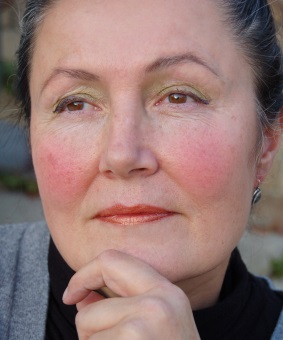
Osteoporosis Risk Factors
It begins with calcium
With a rapidly aging population, the issue of osteoporosis has become a concern for more and more people. Since bone loss and calcium deficiency are closely linked, it is important to get enough this important mineral in your diet, especially in the first three decades of your life, when your bone density is being established.
Young and old most affected by calcium deficiency
The two periods of your life when calcium consumption most affects your bone health are the first part, when you are growing and developing and the last part, when your ability to absorb calcium and your stores may be compromised.
It is not easy to know if you are at risk for bone loss, since your blood calcium levels will not reflect it. You can lose mineral from your bones for years, and it will not show up until the bone loss is in an advanced stage.
More than just calcium
However, calcium deficiency is not the only risk factor. Other risk factors associated with osteoporosis are well documented. Some of them are beyond your control, but you can lower the risk by paying attention to the ones you can impact.
Here is list of risk factors for osteoporosis.
Click here for a printable copy of this list.
RISK FACTORS
Age - More to develop likely as you get older
Gender - Men do not get it as often as Women
Body frame - Small, slim people have frailer bones than larger, more sturdy people
Heredity - If your mom has it, you are more likely to get it
Hormone Deficiency - Estrogen in women/Testosterone in men increases risk
Long-term Vitamin deficiency - Especially Vitamin D
Long-term Mineral deficiency - Particularly Calcium
Lifestyle choices
--Inactive lifestyle
--Cigarette smoking
--Excessive alcohol consumption
Click here to go from Osteoporosis Risk Factors page to Minerals page.
Calcium in Chia Seed
When you think of food sources of calcium, you generally think of dairy products and possibly dark green, leafy vegetables. However, chia seeds have a role to play in the calcium story, since they are an excellent source of the trace mineral, boron, which is a catalyst for the absorption and use of calcium in the body. As you may know, the calcium in your body can move from your bones into your blood, as needed, for its other numerous functions. The better the calcium is utilized, the more calcium can stay in your bones to keep them healthy and strong.
How do I add chia to my diet to help avoid osteoporosis risk factors?
There are numerous ways to add chia to your diet. Recipes have been developed using not only the seed itself, but also flour made from the seeds and even so-called “chia gel, which is a mixture of water and chia seeds. Because they are so tiny, unlike flaxseed, you do not need to grind chia seeds before you use them, but you can if you prefer. Sprinkle on oatmeal, yogurt or add ground version to baked goods.
Most Recent Articles
-
Healthy Eating Information
Jun 13, 23 08:40 PM
 Healthy eating information to help you make food choices that will improve your chances to live long and feel well.
 -
Healthy Eating Habits
May 22, 23 12:20 PM
 A list of healthy eating habits that will help you live longer and feel better while you're here.
 -
Fasting to Lose Weight
May 08, 23 10:32 AM
A discussion of fasting to lose weight in all its various forms.