Manganese Sources and Functions
Manganese Sources and Functions
All of the nutrient minerals work together to keep you healthy and feeling good. Here is a summary of the role of manganese, a trace mineral, in your good health.
| What it does | Activates enzymes involved in metabolism; enhances antioxidant function and bone formation; necessary for collagen formation in wound healing |
| Daily needs (AI)# | [Infants: .003-.6 mg] [Children: 1.2-2.2 mg] [Men: 2.3 mg] [Women: 1.8mg] [Pregnant: 2.0 mg] [Lactating: 2.6mg] |
| Not enough | Unlikely. Bone abnormalities, poor growth and reproductive health, impaired glucose tolerance |
| Too Much | Nervous system problems |
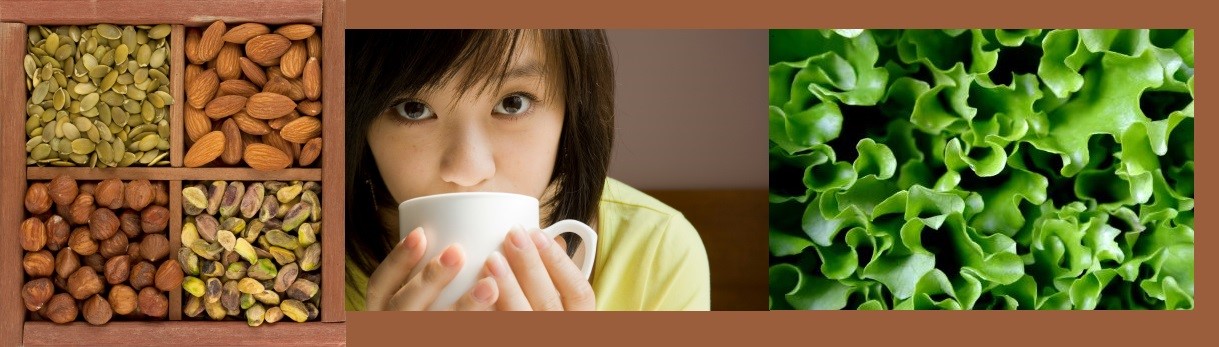
| Foods | Whole grains, nuts, green leafy vegetables, beans, pineapple, tea |
*The lower value is for infants up to 6 mos., higher value is for infants up to a year old.
† The first value is for children 1-3 with the amount increasing until age 18.
# Adequate Intake (AI) is the average amount a healthy person consumes; no RDA established.
Truly a trace mineral
Although there is only a trace of manganese in your body, it is vital to your good health. Fortunately, manganese is found in many plant foods, particularly whole grains, and deficiency is rare.
Manganese and enzymes
Manganese has several roles related to the enzymes involved in a number of processes in your body. First, it acts as a cofactor for enzymes that metabolize proteins, carbohydrates and lipids, and for healthy bone formation.
Manganese is also a catalyst for antioxidant action, helping to protect you from oxidative stress. It also activates an enzyme that is necessary for the formation of collagen in your skin, and thus for healing of wounds.
Fun Fact: Vegetarians generally have a higher intake of manganese due to eating more plant foods. However, manganese toxicity from foods alone is not likely.
Can manganese be toxic?
Although manganese is found in many foods, manganese toxicity from eating food is unlikely to occur. There have been some incidences of manganese toxicity from drinking water with high manganese content and from excessive intake of supplements.
-Caveat for Manganese Sources and Functions: Miners who inhale manganese from the dust in mines over long periods of time may develop brain disorders, since the inhaled form of manganese goes directly to the brain and is not processed by the liver.
Upper Level
The upper intake level for adults for manganese has been established at 11 mg.
Click here to go from Healthy Eating Minerals 13 page to Minerals page.
Most Recent Articles
-
Healthy Eating Information
Jun 13, 23 08:40 PM
 Healthy eating information to help you make food choices that will improve your chances to live long and feel well.
 -
Healthy Eating Habits
May 22, 23 12:20 PM
 A list of healthy eating habits that will help you live longer and feel better while you're here.
 -
Fasting to Lose Weight
May 08, 23 10:32 AM
A discussion of fasting to lose weight in all its various forms.