Food Poisoning
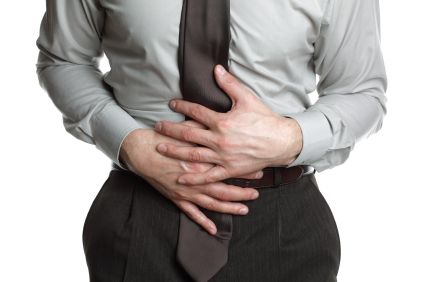

Food poisoning
We have all experienced it, some more often than others, but everyone would agree that getting sick from the food you eat is very unpleasant and to be avoided. Literally millions of people fall victim to this malady every year, with symptoms ranging from mild discomfort to death. The most vulnerable among us--the elderly, children, pregnant women and those with underlying health problems--are the most at risk from food-borne illness.
Please seek medical help if you experience diarrhea lasting more than three days, difficulty breathing or swallowing, bloody stools, double vision, heart palpitations or dizziness, or a fever lasting more than a day or so.
How food makes you sick
There are two major ways that food can poison you and make you sick. Foods contaminated with bacteria such as Salmonella, Listeria, or E-coli can wreak havoc on your digestive system. Then, there are foods that contain toxins, either naturally or as a result of microbes such as Staphylococcus or Botulism. Both types of food-borne illness can cause severe illness and even death.
Caveat: Raw eggs may be infected with salmonella bacteria. If a recipe requires whipped egg whites or other forms of raw eggs(that are not then cooked), please consider the possibility of salmonella contamination, especially if serving the dish to children, the elderly, or those with underlying health problems.

Here is a list of ways you can help prevent food poisoning.
Click here for a printable copy of this list.
Wash, Wash, Wash
-Wash hands with warm soapy water before eating
-Wash hands often during food preparation
-Wash hands after using the restroom
-Wash dish towels and kitchen sponges often.
-Wash and disinfect kitchen sink, counter tops and cutting boards often
-Wash fruits and vegetables with a food-grade veggie wash
Temperature, Temperature, Temperature
-Keep hot foods hot and cold foods cold.
-Cook meats to high enough temperature to kill pathogens. Click here for safe cooking temperatures information.
-Refrigerate foods immediately after the meal.
-Don’t eat raw meat.
-Keep raw foods cold until ready to use.
-Thaw frozen foods in the refrigerator—not on the counter.
-Keep refrigerator temperature at less than 40° F.
-Keep freezer temperature at 0° F. or lower.
-Heat leftovers completely to at least 160° F.
-Marinate foods in the refrigerator, rather than on the counter top.
-Keep frozen foods solidly frozen.
-Don’t buy frozen foods that are soft or that have obviously thawed and refrozen.
Avoid food poisoning by cross-contamination
-Separate cutting board and utensils for meat and vegetables.
-Store meat packages on lower shelves or on a plate to avoid dripping onto other foods.
-Avoid dishes with raw eggs (including raw cookie dough!).

Caveat: If you have a bird feeder, always wash your hands thoroughly after filling it or handling it, since birds can carry salmonella and other bacteria and viruses.
Pay attention
-Discard open jars of mayo after two months
-Most food-borne illnesses are NOT detectable by smell, but if it smells off, throw it out!
-Use leftovers promptly, preferably within 4-5 days.
-Pay attention to “use by” dates on canned goods.
-Use proper home canning methods to keep food from spoiling.
Click here to go from Food Poisoning page to Salmonella page.
Most Recent Articles
-
Healthy Eating Information
Jun 13, 23 08:40 PM
 Healthy eating information to help you make food choices that will improve your chances to live long and feel well.
 -
Healthy Eating Habits
May 22, 23 12:20 PM
 A list of healthy eating habits that will help you live longer and feel better while you're here.
 -
Fasting to Lose Weight
May 08, 23 10:32 AM
A discussion of fasting to lose weight in all its various forms.